
The Ultimate Guide to Slow-Crafted Baking Extracts: How Small-Batch Flavor Concentrates Elevate Your Baking
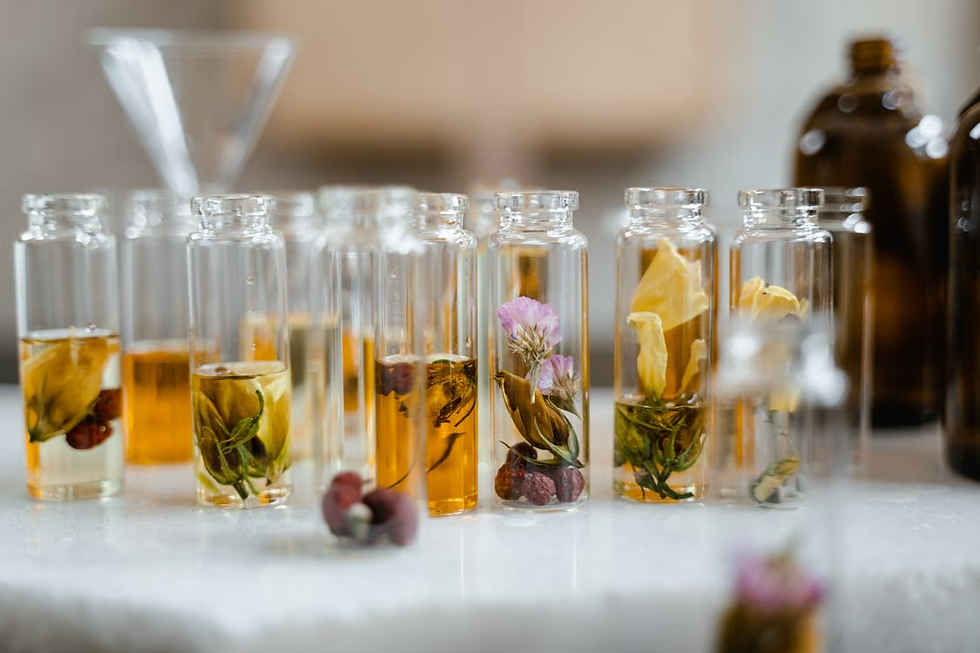
Slow-crafted baking extracts can turn a familiar recipe into something people remember. A small amount can brighten lemon cake, deepen the chocolate in brownies, bring out the fruit in buttercream, or add a warm bakery aroma to a simple batch of cookies.
Because extracts are concentrated, you can build stronger flavor without adding extra juice, purée, or ground spices that may change the texture of your bake. At JC Farms Marketplace in Murphy, North Carolina, nearly 30 extracts are slow-crafted in small batches with close attention to freshness, aroma, and the natural character of each ingredient.
Whether you bake for your family, take custom orders, or simply enjoy experimenting in the kitchen, the right extract gives you more control over how your finished recipe tastes.
What Are Slow-Crafted Baking Extracts?
A baking extract is a concentrated liquid used to add flavor and aroma to cakes, cookies, frostings, fillings, drinks, and other recipes.
Vanilla and almond are the best-known examples, but extracts can also feature fruit, citrus, herbs, spices, coffee, chocolate, and other botanicals.
The phrase “slow-crafted” refers to the care taken during production. Instead of focusing on speed or large-scale output, small-batch makers can give more attention to the ingredients and the character of each flavor.
That approach reflects how JC Farms Marketplace began. The family built the business through experimentation, hard work, and the belief that quality should never be rushed.
You can see that variety in the current JC Farms Marketplace extract collection, which includes familiar baking staples as well as flavors such as blueberry, peach, pumpkin, coffee, rosemary, and wild mushroom.

Why Use Extracts in Baking?
Baking is all about balance. Even a small change in liquid, acidity, fat, or dry ingredients can affect the way a cake rises or how a cookie spreads.
Suppose your lemon loaf tastes a little flat. Adding more lemon juice may improve the flavor, but it also adds liquid and acidity. Too much can affect the crumb or glaze consistency.
The same goes for fruit. More berries or purée may strengthen the flavor, but they can also make the batter wetter or change the baking time.
Slow-crafted baking extracts let you build flavor without changing the entire recipe.
That does not mean you have to choose between extracts and fresh ingredients. In many recipes, they work best together.
Fresh zest adds aromatic oils. Juice adds acidity. Fruit adds texture. Extract helps carry the flavor through the whole bite.
King Arthur Baking follows a similar approach in its guide to baking with lemon in different forms. Each ingredient plays a slightly different role.
How to Choose the Right Extract
Start with one question: What do you want people to notice when they take the first bite?
Do you want the main flavor to taste stronger? Are you trying to add warmth? Or does the recipe need something bright to balance a rich cake or frosting?
Vanilla and Almond for Classic Flavor
Vanilla supports many other ingredients. It can soften the bitterness of cocoa, warm up brown sugar, and make butter or caramel taste fuller.
Use it in cakes, cookies, custards, frostings, pancakes, and sweet breads.
Almond extract has a stronger aroma. It works especially well in sugar cookies, pound cake, cherry desserts, shortbread, pastry fillings, and buttercream.
A little goes a long way. When combining vanilla and almond, let vanilla provide the base and use almond as the accent.
Citrus and Fruit Extracts for Brightness
Lemon, lime, and orange extracts are useful when you want citrus flavor without adding more juice.
Lemon can freshen pound cake, sugar cookies, cheesecake, or glaze. Orange pairs well with chocolate, cinnamon, berries, and vanilla. Lime adds contrast to coconut, pineapple, and raspberry.
Fruit extracts can also help when fresh fruit tastes mild or varies from batch to batch.
JC Farms Marketplace offers flavors such as blueberry, banana, peach, pineapple, apple, cherry, raspberry, and Very Berry.
You might use raspberry extract to strengthen buttercream made with preserves or add blueberry extract to a glaze when fresh berries are not giving you enough flavor.
The extract should support the fruit, not cover it up.
Coffee, Chocolate, and Warm Spices
Some recipes do not need a completely new flavor. They just need more depth.
Coffee extract can bring out roasted notes in brownies, mocha cake, or chocolate frosting. Chocolate extract can support cocoa without adding more dry powder, which may affect the texture of the recipe.
Cinnamon, ginger, clove, and pumpkin extracts are natural choices for seasonal baking, but they can be used year-round.
Try cinnamon in a coffee cake glaze, ginger in cookies, or clove in a spiced loaf. Start small, especially with stronger flavors.
Herbs and Savory Extracts
Not every extract belongs in a sweet dessert.
JC Farms Marketplace also carries options such as rosemary, sage, basil, garlic, peppermint, and wild mushroom.
Rosemary can pair beautifully with lemon in shortbread. Peppermint works naturally with chocolate. Garlic, sage, basil, and mushroom extracts may be better suited to breads, biscuits, crackers, sauces, and savory pastry.
This is where baking becomes more personal. You can start with a recipe you already know and make one thoughtful change.
How Much Extract Should You Use?
There is no single amount that works for every extract.
Vanilla is usually gentler than almond, peppermint, cinnamon, or clove. Fruit extracts may also vary in strength.
When a tested recipe includes an amount, follow it. When you are adding an extract on your own, begin conservatively.
A few practical habits help:
Measure away from the bowl. Pour the extract into a spoon first so one heavy splash does not affect the whole batch.
Add it with the wet ingredients. This usually helps the flavor spread evenly.
Keep notes. Write down the exact amount you used and what you would change next time.
Test a smaller batch first. This is especially useful for cottage bakers creating a new menu item.
Taste only safe mixtures. Frosting, glaze, and egg-free fillings can often be adjusted before serving. Raw batter and dough may contain raw flour or eggs, so the CDC recommends not tasting them before baking.
For small-business bakers, exact measurements matter. “A splash” may work at home, but it is harder to repeat when a customer orders the same cake again.
Layer Extracts With Flavored Sugars and Syrups
Flavor does not have to come from one ingredient.
An extract can season the cake or cookie itself. A flavored sugar can add aroma and a delicate crunch. A syrup can bring moisture or finish a glaze.
JC Farms Marketplace also offers flavored sugars, including lemon, vanilla, raspberry, orange, cinnamon, and caramel.
Try combinations such as:
Orange extract in sugar-cookie dough with orange sugar outside
Raspberry extract in vanilla buttercream with fresh berries
Cinnamon extract in glaze over warm muffins
Lemon extract in pound cake with lemon syrup
Coffee extract in brownies with caramel sugar
Let one ingredient lead and the others support it. You should still taste the butter in shortbread and the chocolate in brownies. The extract simply makes those flavors clearer.
Common Mistakes to Avoid
The most common mistake is using too much.
A strong extract can quickly take over a recipe, particularly almond, peppermint, clove, or cinnamon. Starting small gives you more control.
Another mistake is trying to fix a recipe problem with extra flavoring. Extract cannot correct an overbaked cake, too much flour, not enough salt, or overly sweet frosting.
It is also easy to add too many competing flavors. Orange extract, juice, zest, syrup, and sugar may all sound good together, but using everything heavily can make the dessert feel one-dimensional.
Choose one or two main flavor sources. Let everything else stay in the background.
Always read the product label as well, especially when baking for someone with allergies or dietary restrictions.
Frequently Asked Questions About Baking Extracts
Can I replace vanilla with another extract?
Yes, but the same measurement may not work. Almond, peppermint, cinnamon, and clove can taste much stronger than vanilla. Start with less.
Do extracts replace fresh fruit or zest?
They can, but they often work better together. Fruit adds texture, zest adds aroma, and juice adds acidity. Extract reinforces the flavor without adding much liquid.
When should I add extract?
Most extracts can be added with the wet ingredients, so they spread evenly through the batter, frosting, or filling.
Can I combine two extracts?
Yes. Vanilla and almond are a classic pairing, while coffee and chocolate work well together. Keep one flavor dominant and use the second as an accent.
How should extracts be stored?
Keep the bottle tightly closed in a cool, dark place away from heat and sunlight. Follow the directions on the label.
Make Your Next Bake Feel More Personal
The recipes people remember are not always the most complicated. Sometimes, it is the warm almond note in a sugar cookie, the clear raspberry flavor in frosting, or the touch of coffee that makes chocolate taste richer.
Slow-crafted baking extracts give you a simple way to make those small details count.
At JC Farms Marketplace, every product reflects the same belief the family started with: quality should not be rushed. Browse the full extract collection to find a flavor for your next recipe.
Not sure which flavor fits what you are baking? Reach out through the JC Farms Marketplace contact page or call 828-644-8556.


Comments